
Don’t Underestimate Trauma
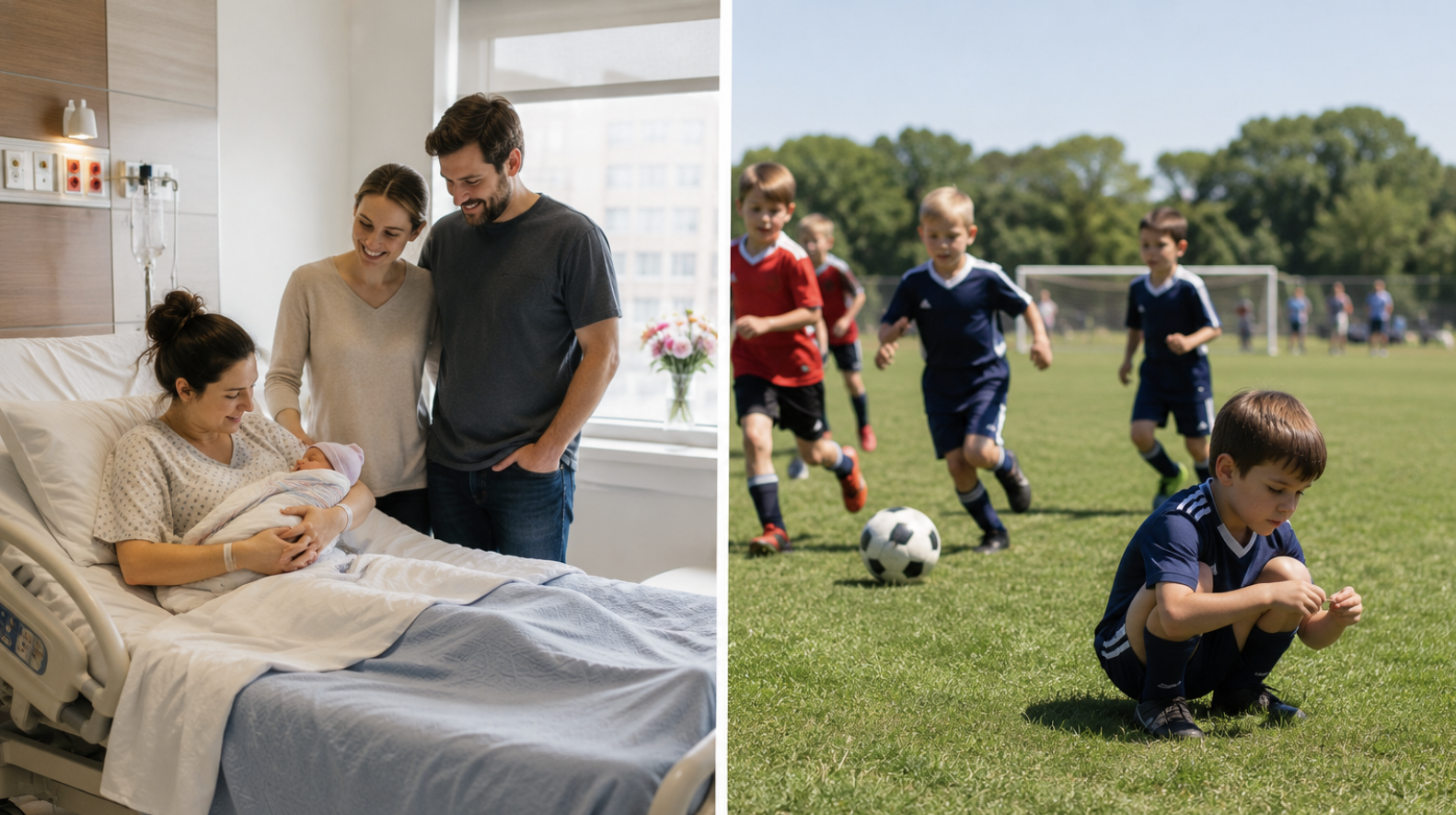
Adoption and Trauma: Why "Healthy" Doesn't Mean Untouched
I've written about this before, but it's something I cannot emphasize enough. No matter how healthy the adoption process, adoption is accompanied by trauma. Your child could have experienced the most perfect pregnancy, the easiest birth, and an immediate connection from day one, and there will still be trauma. It's nobody's fault. It just is. And knowing this, understanding this, can help you provide the supports your child will need.
"But the Baby Is Healthy"
I was recently talking with a friend about adoption, and how she knows a child who was adopted who, regardless of some of the birth mother's struggles, is healthy and doing great. The child is one year old. Knowing a child is healthy and didn't come out with any birth defects is a blessing. I understand that completely. But a healthy baby is not the same as a baby untouched by trauma.
Remember that no matter the situation, the child's bond with his or her birth mother was broken. For nine months, that baby grew in an environment with someone else's heartbeat, voice, hormones, and connection. Then the baby is placed in somebody else's arms, and we assume that because the baby has no memory of it, the child won't know any different. As much as I wish that were true, their little bodies remember far more than their memories can recall. If you haven't read it, I highly recommend The Body Keeps the Score. It explains how our bodies react to certain situations and environments because of past experiences, even ones we cannot consciously recall.
This isn't meant to make you feel guilty. Adoption is a special thing, and it's wonderful when a child has more people to love and care for them. It's not your fault that trauma occurred. The word "trauma" itself may feel off-putting, and that's okay. The point isn't to sit in guilt. It's to recognize that our experiences, no matter how young we were, shape us in ways that follow us as we get older, whether we realize it or not.
Trauma Doesn't Always Look Like Trauma
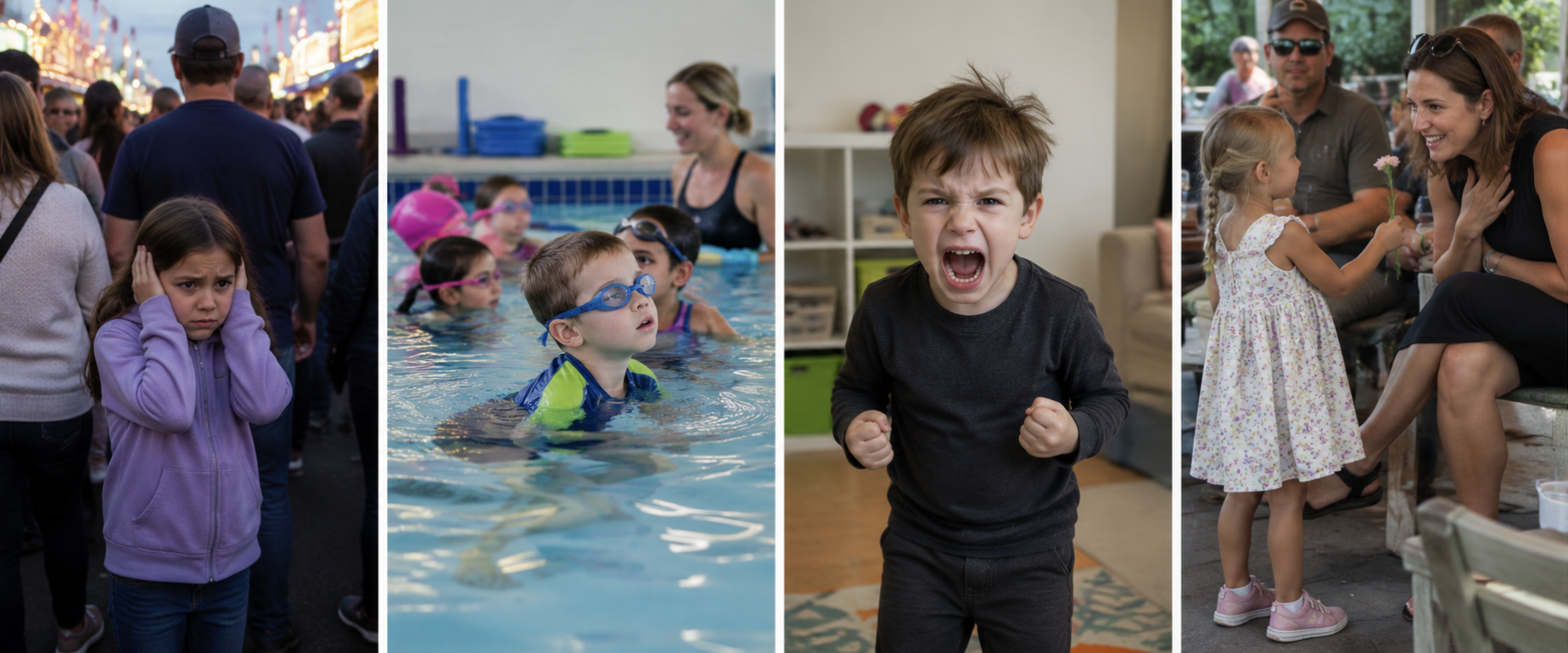
Here's what makes this tricky: trauma, anxiety, and ADHD can look almost identical from the outside. A child who needs constant structure and melts down without it might be showing classic ADHD traits, or might be a kid whose early environment was so unpredictable that their nervous system is still bracing for chaos, years later. A child who seems anxious about something that looks small, like a bike ride or a loud room, might have an anxiety disorder, or might be carrying a body memory of a time when the world genuinely wasn't safe, even without a conscious memory of why.
Even outgoing, friendly kids aren't exempt. A child who is endlessly warm with strangers, quick to compliment, eager to give their things away, looks on the surface like a sweet kid. But sometimes it's something closer to please stay, please like me, please don't leave. A young nervous system still working out whether people can be counted on.
None of this means every anxious moment or every burst of friendliness is secretly trauma in disguise. It means holding a little humility about what you're actually looking at. Sometimes it's not one thing or the other. It's layers of anxiety, trauma, and even ADHD stacked on top of each other, genuinely hard to untangle even for the parents who know their kid best.
Why This Matters More As They Get Older
When our kids are babies and toddlers, we tend to explain away big reactions as just being little. Overtired. Overstimulated. A phase. But as they get older and the big reactions continue, or shift into new forms entirely, it becomes easy to slide into frustration. Why is this still happening. Why can't they just listen. Why does this feel so much bigger than the situation calls for.
That's exactly the moment to get curious instead of defensive. Not "what's wrong with my kid," but "what is this behavior actually trying to tell me." A child doesn't need you to have the exact diagnosis nailed down in order to feel supported. They need you willing to consider that there might be more underneath the surface than what you can see.
What You Can Do With This
You don't have to solve the puzzle of which label explains which behavior. Structure, patience, and a felt sense of safety help a child regardless of whether what's underneath is anxiety, trauma, ADHD, or some combination of all three. What changes is your own posture. Instead of reading a big reaction as defiance or an overreaction, you start reading it as information. Instead of asking your child to just get over it, you start asking what they might need in order to actually feel safe enough to move through it.
You don't need certainty to start showing up differently. Just holding this awareness opens space for more connection, more honest conversation, more chances for your child to feel truly seen. And whether or not there was ever anything to uncover, that kind of presence is never wasted. It's simply good parenting.
Your child isn't broken, and neither is your parenting. You're simply peeling back layers that were there long before you got the chance to help.